
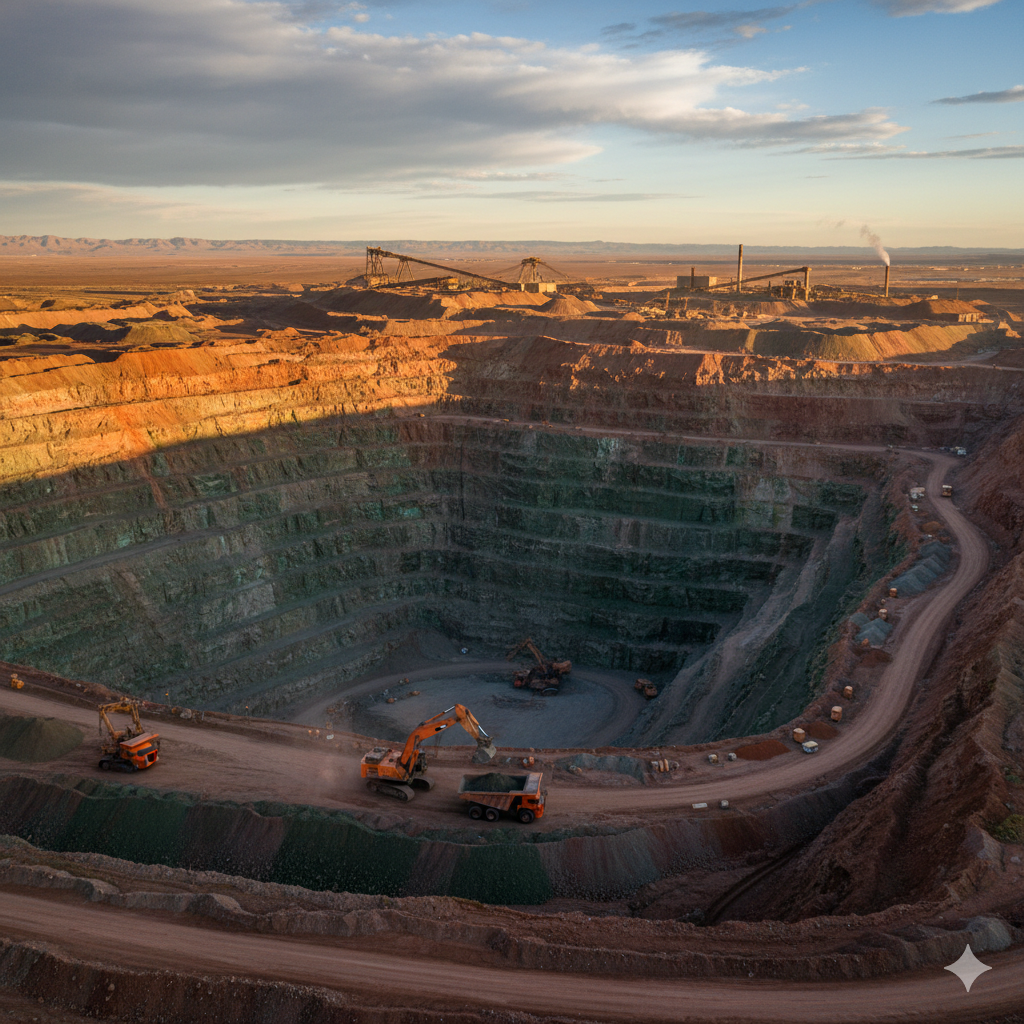

Copper Mining plays a crucial role in supplying one of the world’s most widely used metals. Copper is essential for electrical systems, renewable energy technologies, transportation, and modern infrastructure. As global demand continues to increase, the industry is placing greater emphasis on environmental sustainability and responsible resource development.
Modern Copper Mining is no longer focused solely on extracting valuable minerals. It also incorporates innovative environmental practices that help conserve natural resources, reduce operational impacts, and promote long-term sustainability. Understanding these efforts provides a clearer picture of how the industry continues to evolve.
The Importance of Sustainable Copper Mining
Meeting Today’s Needs Responsibly
The demand for copper continues to rise as societies invest in clean energy, modern transportation, and digital infrastructure. Copper Mining supports these developments while increasingly adopting practices that minimize environmental impacts.
Responsible mining aims to balance economic growth with environmental protection, ensuring that natural resources remain available for future generations.
A Changing Industry
Over the years, Copper Mining has embraced new technologies and management strategies that improve efficiency while reducing waste, emissions, and resource consumption.
These improvements demonstrate the industry’s commitment to continuous environmental progress.
Environmental Planning
Careful Site Assessment
Every Copper Mining project begins with detailed environmental studies. Specialists evaluate land, water, vegetation, wildlife, and geological conditions before extraction activities begin.
This information supports informed decision-making and helps identify effective environmental protection measures.
Reducing Environmental Impact
Planning allows mining operations to minimize unnecessary land disturbance while protecting nearby ecosystems. Careful project design also improves long-term environmental performance throughout the mining lifecycle.
Water Management
Conserving Water Resources
Water plays an important role in Copper Mining, particularly during ore processing. Modern operations increasingly use recycling systems that allow water to be reused multiple times.
Water conservation helps reduce freshwater demand while improving operational efficiency.
Protecting Water Quality
Mining operations monitor water quality throughout production to ensure responsible management practices. Advanced treatment systems help manage runoff and maintain environmental standards.
Energy Efficiency
Using Modern Technology
Energy-efficient equipment has become an important part of sustainable Copper Mining. Improved machinery, automated systems, and digital monitoring reduce unnecessary energy consumption while maintaining productivity.
Greater efficiency benefits both operations and the environment.
Lowering Emissions
Many mining facilities continue exploring ways to reduce greenhouse gas emissions through equipment upgrades, improved logistics, and optimized operational planning.
These efforts contribute to more sustainable mining practices.
Responsible Waste Management
Efficient Material Handling
During Copper Mining, only part of the extracted material contains valuable minerals. Modern processing techniques maximize copper recovery while reducing unnecessary waste generation.
Efficient material management improves both environmental and operational performance.
Safe Storage Practices
Mining operations carefully design storage facilities for by-products to reduce environmental risks and support long-term stability.
Regular inspections and monitoring further strengthen responsible resource management.
Land Rehabilitation
Restoring Landscapes
One of the most important aspects of sustainable Copper Mining is land rehabilitation. After mining activities conclude, restoration efforts help return affected areas to productive and environmentally stable conditions.
Projects often include reshaping landforms, improving soil quality, and planting native vegetation.
Supporting Biodiversity
Rehabilitation programs encourage habitat recovery and promote the return of local plant and animal species. Long-term environmental monitoring helps measure restoration success.
Innovation Supporting Sustainability
Digital Environmental Monitoring
Modern Copper Mining increasingly relies on sensors, satellite imagery, and real-time monitoring systems to evaluate environmental performance.
These technologies help identify potential concerns early and improve operational decision-making.
Continuous Improvement
Research and innovation continue driving sustainability across the mining industry. New technologies support better resource efficiency, enhanced environmental protection, and improved operational performance.
Conclusion
Copper Mining remains essential for supporting modern infrastructure, renewable energy, and technological advancement. At the same time, the industry continues strengthening its commitment to environmental sustainability through responsible planning, efficient resource management, and ongoing innovation.
As technology advances and environmental expectations evolve, Copper Mining will continue improving its practices while supplying the copper needed for a more sustainable future.