
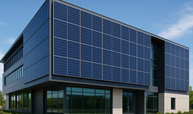

Building integrated photovoltaic panels are transforming the way modern buildings produce and use energy. Instead of installing traditional solar panels on top of a completed structure, these advanced systems become part of the building itself. They replace conventional construction materials while generating renewable electricity, making them an attractive option for architects, property owners, and developers seeking sustainable solutions.
As energy efficiency becomes a greater priority, building integrated photovoltaic panels offer an innovative approach that combines functionality, aesthetics, and long-term value. From commercial buildings to residential projects, these systems are helping shape the future of sustainable construction.
What Are Building Integrated Photovoltaic Panels?
Building integrated photovoltaic panels are solar-powered construction materials designed to serve two purposes. First, they function as part of the building envelope, replacing traditional roofing, facades, skylights, or curtain walls. Second, they capture sunlight and convert it into electricity.
Unlike conventional solar panels mounted on existing roofs, building integrated photovoltaic panels are incorporated directly into the building’s design. This seamless integration creates a modern appearance while maximizing available space for energy production.
How They Work
The technology behind building integrated photovoltaic panels is similar to traditional photovoltaic systems. Solar cells absorb sunlight and convert it into direct current electricity. An inverter then transforms this electricity into usable alternating current for building operations.
Because the panels become part of the building structure, they contribute to both architectural performance and renewable energy generation without requiring separate mounting systems.
Benefits of Building Integrated Photovoltaic Panels
Improved Energy Efficiency
One of the biggest advantages of building integrated photovoltaic panels is their ability to generate clean electricity on-site. Buildings can reduce their dependence on conventional energy sources while lowering overall energy consumption.
This approach supports energy-efficient building practices and contributes to long-term operational savings.
Modern Architectural Design
Building integrated photovoltaic panels blend naturally into contemporary architecture. Rather than appearing as an added feature, they become part of the building’s exterior, creating clean lines and visually appealing facades.
Architects appreciate the flexibility these panels provide, allowing renewable energy systems to complement modern building aesthetics.
Better Use of Space
Traditional rooftop solar installations require dedicated mounting areas. Building integrated photovoltaic panels eliminate this need by replacing existing construction materials.
They can be incorporated into:
- Exterior walls
- Roof systems
- Skylights
- Glass facades
- Curtain walls
- Building canopies
This efficient use of building surfaces increases renewable energy generation without occupying additional land.
Applications Across Different Buildings
Building integrated photovoltaic panels are suitable for many construction projects.
Commercial Buildings
Office buildings, retail centers, educational facilities, and healthcare buildings often have large facade and roof areas. These surfaces provide excellent opportunities for integrating photovoltaic technology into the building envelope.
Commercial properties can improve sustainability while reducing operating expenses over time.
Residential Projects
Homeowners seeking environmentally responsible construction are increasingly interested in building integrated photovoltaic panels. Modern residential designs can incorporate solar roofing and photovoltaic facades without compromising visual appeal.
These systems help homeowners produce renewable electricity while enhancing property value.
Public Infrastructure
Government buildings, transportation hubs, and educational institutions also benefit from building integrated photovoltaic panels. Their ability to generate renewable energy supports environmental goals while demonstrating sustainable building practices.
Key Design Considerations
Proper planning plays an important role in maximizing the performance of building integrated photovoltaic panels.
Building Orientation
South-facing surfaces generally receive the greatest amount of sunlight in many regions. Designers carefully evaluate orientation, shading, and local climate to optimize energy production.
Material Selection
Building integrated photovoltaic panels are available in various sizes, finishes, transparency levels, and colors. Selecting appropriate materials ensures both architectural consistency and optimal electrical performance.
Structural Integration
Since building integrated photovoltaic panels replace conventional construction materials, engineers must ensure they meet structural, weatherproofing, insulation, and safety requirements.
Early collaboration between architects, engineers, and construction professionals helps achieve the best results.
Environmental Advantages
Building integrated photovoltaic panels support sustainable construction in several ways.
They reduce greenhouse gas emissions by generating renewable electricity directly from sunlight. They also decrease reliance on fossil fuels and encourage more efficient use of natural resources.
Because these systems replace traditional building materials, they can also reduce material consumption in certain construction applications.
Many green building projects incorporate building integrated photovoltaic panels as part of broader sustainability strategies focused on energy efficiency and environmental responsibility.
Future Trends
The future of building integrated photovoltaic panels continues to evolve as solar technology advances.
Manufacturers are developing thinner, lighter, and more efficient photovoltaic materials that integrate even more seamlessly into architectural designs. Improvements in transparent solar glass, colored photovoltaic materials, and smart energy management systems are expanding design possibilities.
As cities pursue sustainable development goals, building integrated photovoltaic panels are expected to become increasingly common in both new construction and renovation projects.
Conclusion
Building integrated photovoltaic panels represent an exciting step forward in sustainable architecture. By combining energy generation with essential building materials, they offer an efficient and visually appealing solution for modern construction.
Whether incorporated into roofs, facades, skylights, or curtain walls, building integrated photovoltaic panels help improve energy efficiency, reduce environmental impact, and support long-term building performance. As renewable energy continues to shape the construction industry, these innovative systems will remain an important part of creating smarter, greener buildings.